
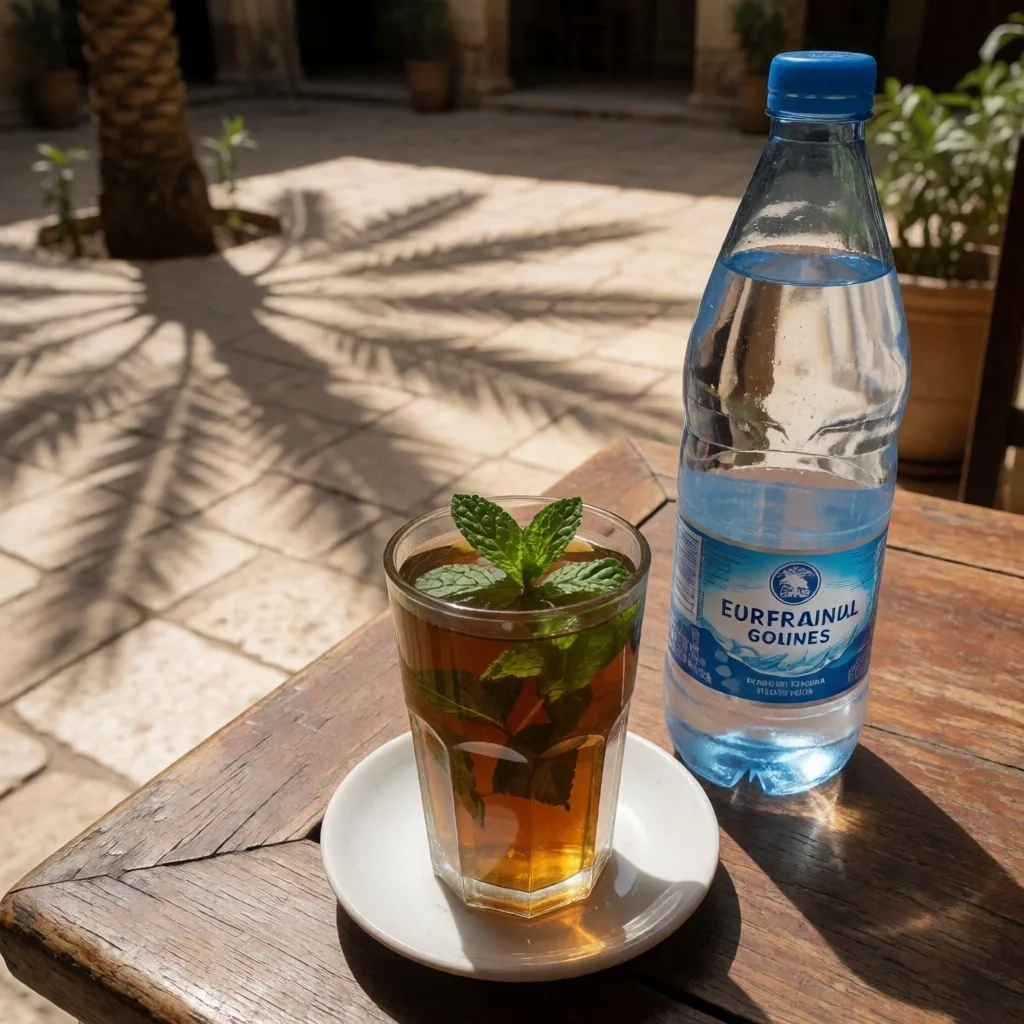
Travel Safety and Health Advice
Staying healthy and safe is the foundation of a rewarding journey. While the region is generally welcoming, the environmental conditions and the scale of the urban areas present specific challenges. This guide offers practical advice for the traveller into Egypt to maintain their well-being throughout their exploration.
Hydration and Heat Management
The most common health issue for visitors is dehydration. It is essential to carry water at all times and drink even when you do not feel thirsty. Adding electrolyte powders to your water can help maintain mineral balance, especially if you are walking long distances in the heat of the day.
In the hottest hours between late morning and mid-afternoon, pace yourself. Step into shade when you find it, and treat water as a daily supply item rather than an afterthought. A good habit is to finish a full bottle before leaving your accommodation each morning, then refill before heading out again.
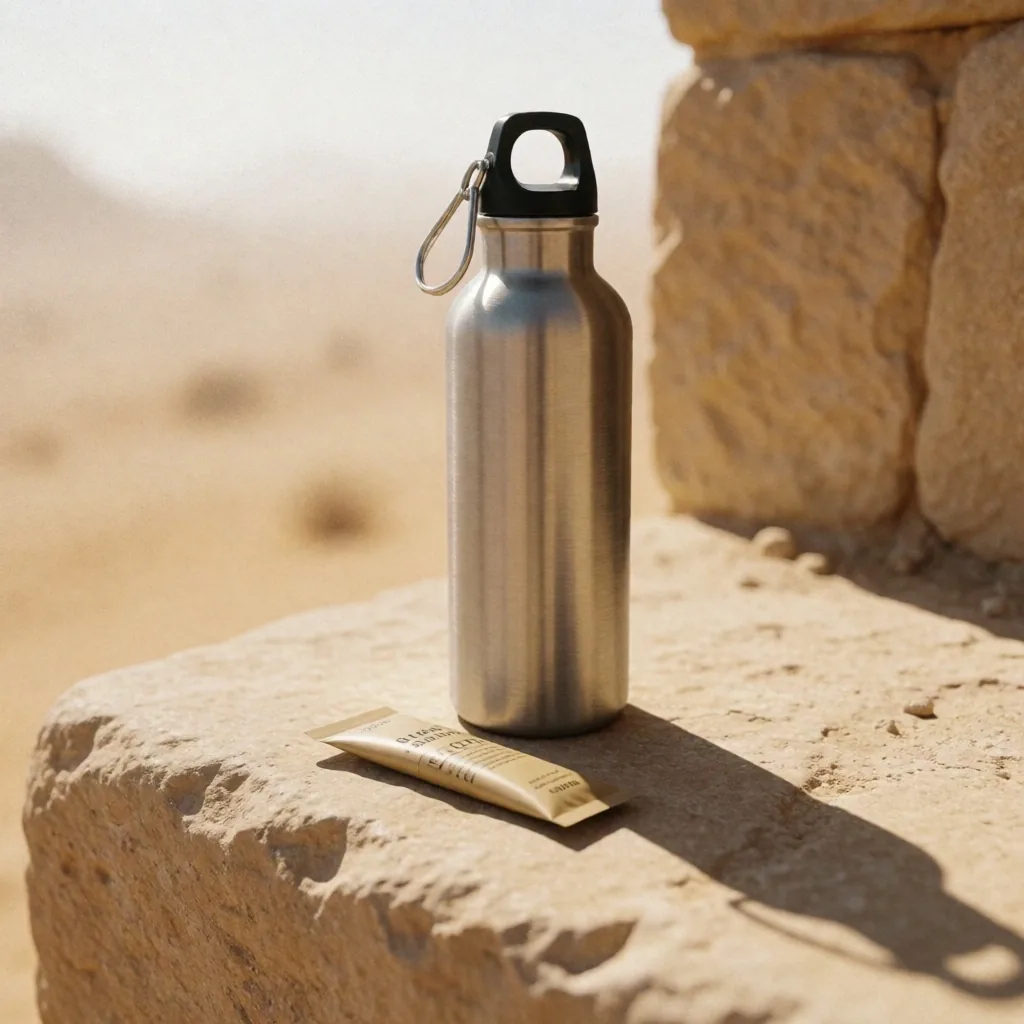
Carry water before you need it
Moving Through Streets, Meals, and Crowds
Navigating Urban Traffic
Traffic in major metropolitan areas can be intense and follows its own set of informal rules. When crossing the street, it is often best to wait for a local resident and cross alongside them. Use designated pedestrian crossings where available, but always remain vigilant of moving vehicles that may not stop traditionally.
Food and Beverage Safety
Stick to bottled water for drinking and even for brushing your teeth if you have a sensitive stomach. Avoid ice in drinks in smaller establishments and choose fruits that you can peel yourself, like bananas or oranges. These simple steps significantly reduce the risk of common travel-related digestive upsets.
Personal Belongings Security
In crowded areas like markets or transit stations, keep your belongings in front of you. Pickpocketing is rare but can happen in high-traffic zones. Using a bag with a cross-body strap and keeping your phone in a secure internal pocket rather than a back pocket are effective deterrents.
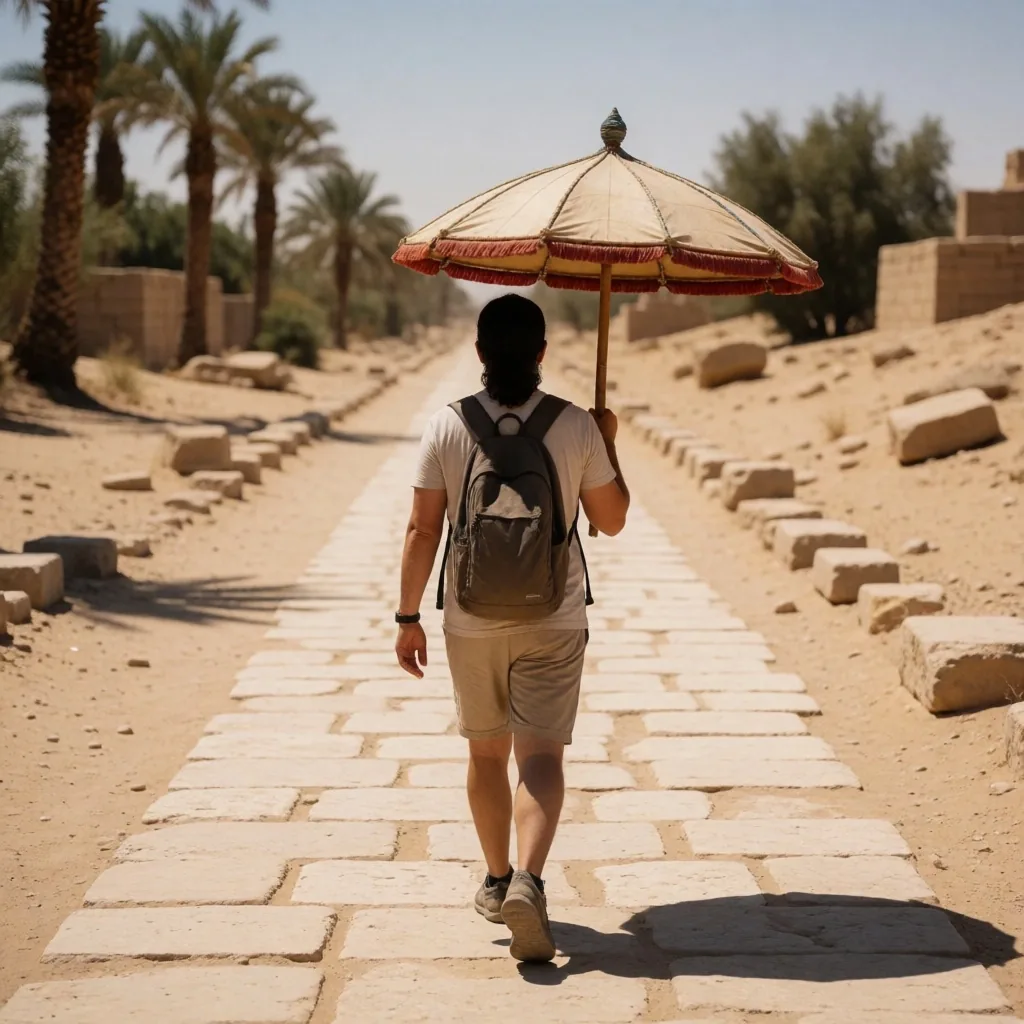
Sun Exposure Risks
Sunburn can happen in as little as fifteen minutes during peak hours. In addition to sunscreen, consider using a sun umbrella or seeking shade whenever possible. Heatstroke is a serious condition; if you feel dizzy, nauseous, or develop a headache, seek a cool environment and hydrate immediately.
Environmental Hazards in Desert Terrain
In desert areas, be mindful of the local wildlife. While rarely encountered, scorpions or snakes can be present in rocky or sandy terrain. Always shake out your shoes in the morning if you are staying in more rural or desert-adjacent accommodations and stay on marked paths during hikes.
Shake out footwear each morning
Scorpions and small insects seek cool, dark spaces overnight. A quick tap of each shoe before putting it on is a simple habit that takes two seconds and costs nothing.
Stay on marked paths
During hikes or walks through rocky or sandy terrain, follow established trails. Going off-path increases the chance of disturbing wildlife or stepping into loose, unstable ground.
Keep a torch for night movement
In areas away from city lights, a small flashlight or headlamp helps you watch your footing and spot anything on the ground before you step near it.
Respect distance from wildlife
If you do encounter a snake or scorpion, keep your distance and let it move away. Most encounters end without incident when neither party feels cornered.
Emergency Contact Information
Before you arrive, note the location of your national embassy and the numbers for local emergency services. While we hope you never need them, having this information written down in a physical notebook is safer than relying solely on a phone battery that might die in the heat.
Keep a small card or page in your bag with the address of your accommodation, a contact for someone at home, and the embassy phone number. A few minutes of preparation before you head out each day is enough.
What to Write Down
- ▪ Your national embassy address and phone line
- ▪ Local emergency service numbers for police, fire, and medical
- ▪ Your accommodation address written in the local script
- ▪ A contact at home who knows your rough itinerary
- ▪ Any allergies or medical conditions a responder should know
Mental Well-being and Pacing
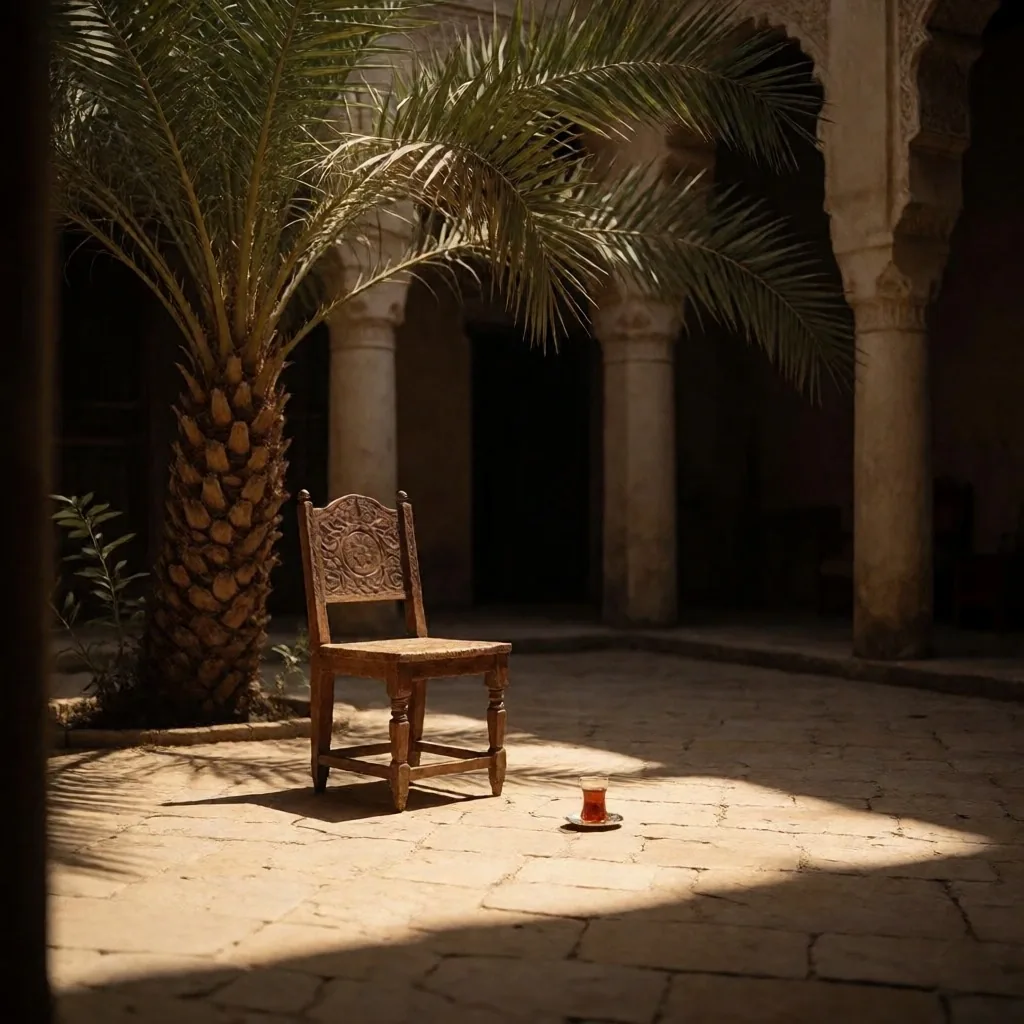
Travel can be overwhelming due to the noise, heat, and sensory input of a new culture. It is important to schedule down days where you do very little. Over-exertion can lead to a weakened immune system, so listen to your body and rest when needed to ensure you stay healthy for the duration of your trip.
A slow morning on a shaded balcony can be as valuable as another monument. The egypt travelling guides on this site encourage a pace that lets you absorb what you see rather than rush past it. Plan for rest the same way you plan for walking — deliberately, and before you need it.
A practical rhythm
One active morning, one quiet afternoon. One long day, one short day. The region rewards patience as much as curiosity.
More Travel Guides for the Traveller into Egypt
Safety and health are one part of preparation. These companion guides cover what to carry and how to move through the culture with respect and ease.
Essential Packing List
What to bring for sun, dust, long walks, and cool evenings.
Read the guide EtiquetteLocal Etiquette
How to greet, dress, and move through social spaces with ease.
Read the guide ClimateRegional Climate Guide
What to expect from the sun, wind, and temperature across regions.
Read the guideEgypt Discovery Guides
Independent educational travel guides for visitors to Egypt. Practical preparation, environmental adaptation, and cultural context.
35 B Abou El Feda, Mohammed Mazhar
Zamalek, Cairo Governorate 11211, Egypt
+20227378955
Mon–Fri: 9:00–18:00