
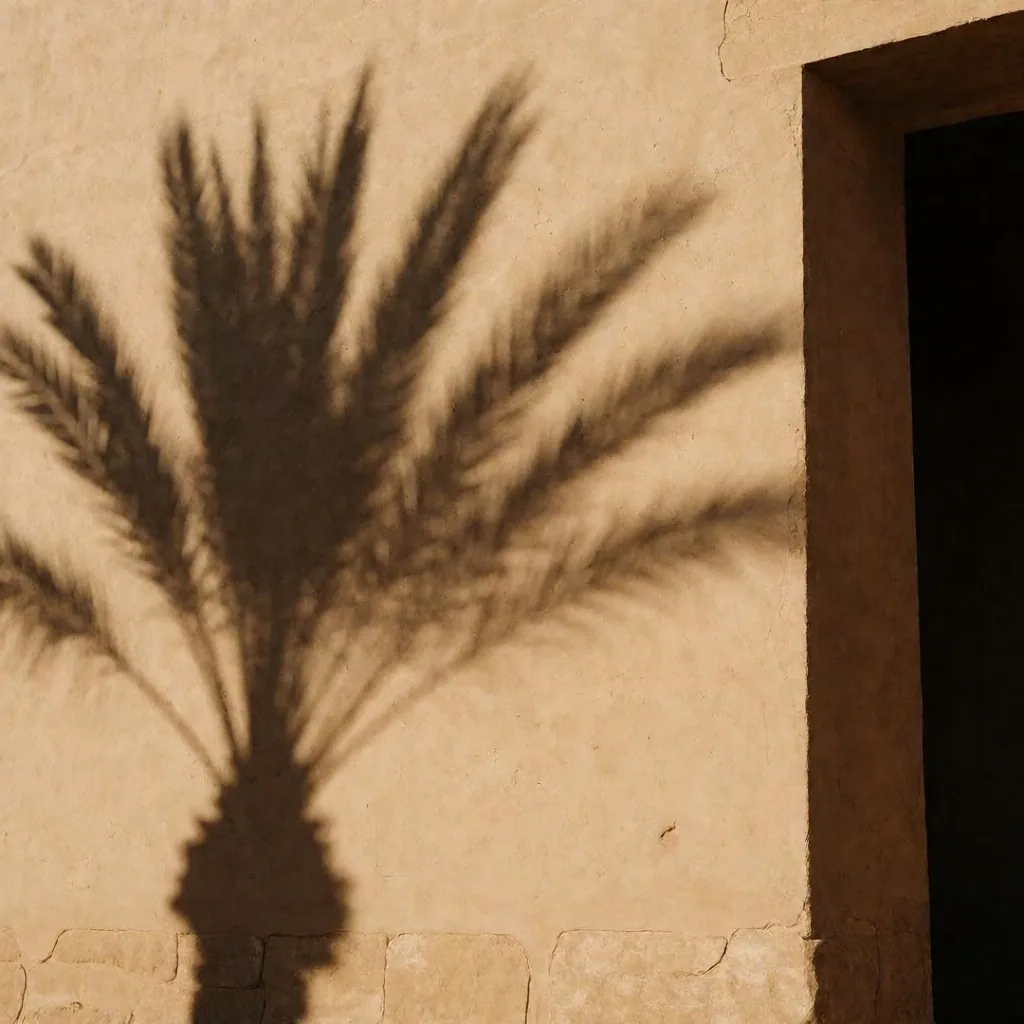
Essential Preparation for the Independent Traveller into Egypt
Navigating the diverse regions of the North African coast and the Nile Valley requires grounded knowledge and careful preparation. Egypt Discovery Guides serves as a dedicated informational hub for those seeking to understand the environment, climate, and logistical realities of this historic region. Our goal is to provide objective data that helps you organize a self-directed trip without the distractions of commercial influence or sales-driven agendas.
Understanding the Regional Landscape
The geography of the area dictates the pace of any journey. From the Mediterranean coastline in the north to the arid stretches of the southern valley, the physical environment varies significantly. Understanding these shifts helps a traveller into Egypt anticipate daily needs, such as hydration levels and appropriate footwear for sandy versus paved terrains.
We focus on the environmental constants that remain regardless of seasonal shifts or urban development. The delta region in the north spreads fertile sediment across a wide floodplain, supporting dense agriculture and humid air that carries well into the evening hours. Further south, the valley narrows and the land becomes dry and abrasive underfoot, withrock formations rising sharply from the river's edge.
A traveller moving between these zones should expect to adjust their daily rhythm accordingly. The coastal climate permits longer outdoor activity windows, while the southern interior demands rest during peak afternoon hours. Our egypt travelling guides describe these transitions in practical terms, so you can prepare your clothing, water intake, and walking pace before you encounter the conditions firsthand rather than reacting to them after arrival.
Seasonal Variations and Timing
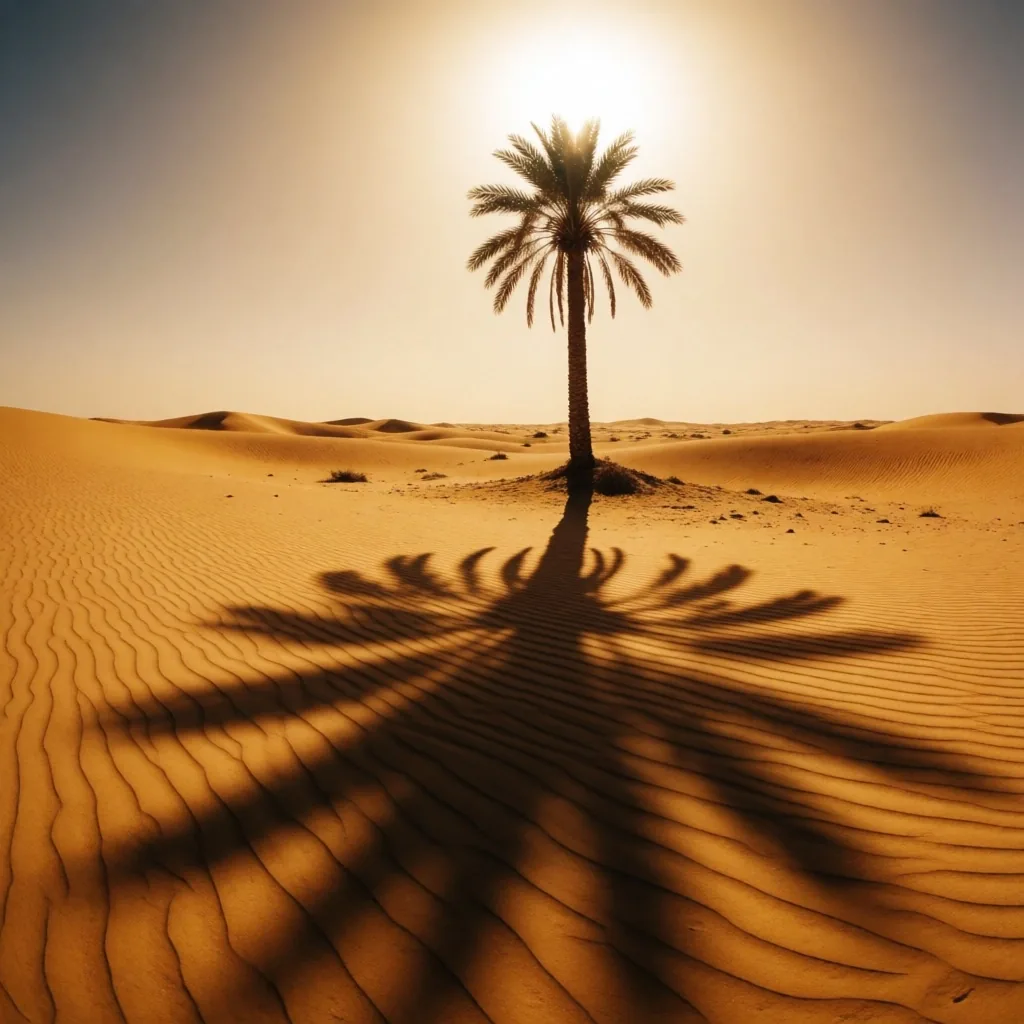
Timing is the most influential factor for any trip to this region. The transition between the mild winter months and the intense heat of the summer affects everything from outdoor activity windows to local business hours. Our travel guides emphasize the importance of monitoring regional forecasts, especially when moving between the humid coastal cities and the dry heat of the interior.
Preparation starts with knowing how the sun dictates the daily schedule in these latitudes. From late spring through early autumn, midday temperatures in the southern valley can exceed what most travellers from temperate climates are accustomed to. The window for comfortable outdoor exploration narrows to the early morning and late afternoon. In contrast, the winter months from December through February offer the most forgiving conditions, with daytime temperatures that permit long walks and extended sightseeing without the strain of extreme heat.
Humidity adds another layer. Along the northern coast, moisture from the sea lingers in the air, making moderate temperatures feel heavier. In the interior, the air is dry and evaporates perspiration quickly, which can mask how much water your body is actually losing. We recommend tracking both temperature and humidity for each stop on your route, and building rest periods into the hottest hours of the day regardless of how energetic you feel at the start of the morning.
Navigating Local Infrastructure
Moving between different districts involves a mix of traditional and modern transportation systems. Whether utilizing the extensive rail networks that follow the river or local automotive options, the independent traveller needs to be aware of typical transit times and common routes. We provide information on how to read the general layout of the larger metropolitan areas without relying on specific commercial hubs or branded service providers.
Rail Networks
The rail line follows the river for most of its length, connecting the northern delta cities to the southern interior. Trains run on set schedules, and the route passes through agricultural land, towns, and desert stretches. Knowing the general direction and approximate duration of each leg helps you plan overnight stops and arrival times.
Local Automotive Options
Within cities and between nearby towns, a range of shared vehicles and private hires operate on informal routes. Fares are typically negotiated before departure. Understanding the general layout of main roads and district names gives you enough orientation to agree on a destination and a fair price without needing a specific app or branded service.
Reading the Layout
Larger metropolitan areas tend to organize around a central district with radiating main roads. Markets, transit stations, and residential neighborhoods cluster along these arteries. We describe how to identify these patterns so you can orient yourself quickly after arriving, even without a detailed map in hand.
Natural Elements and Environment
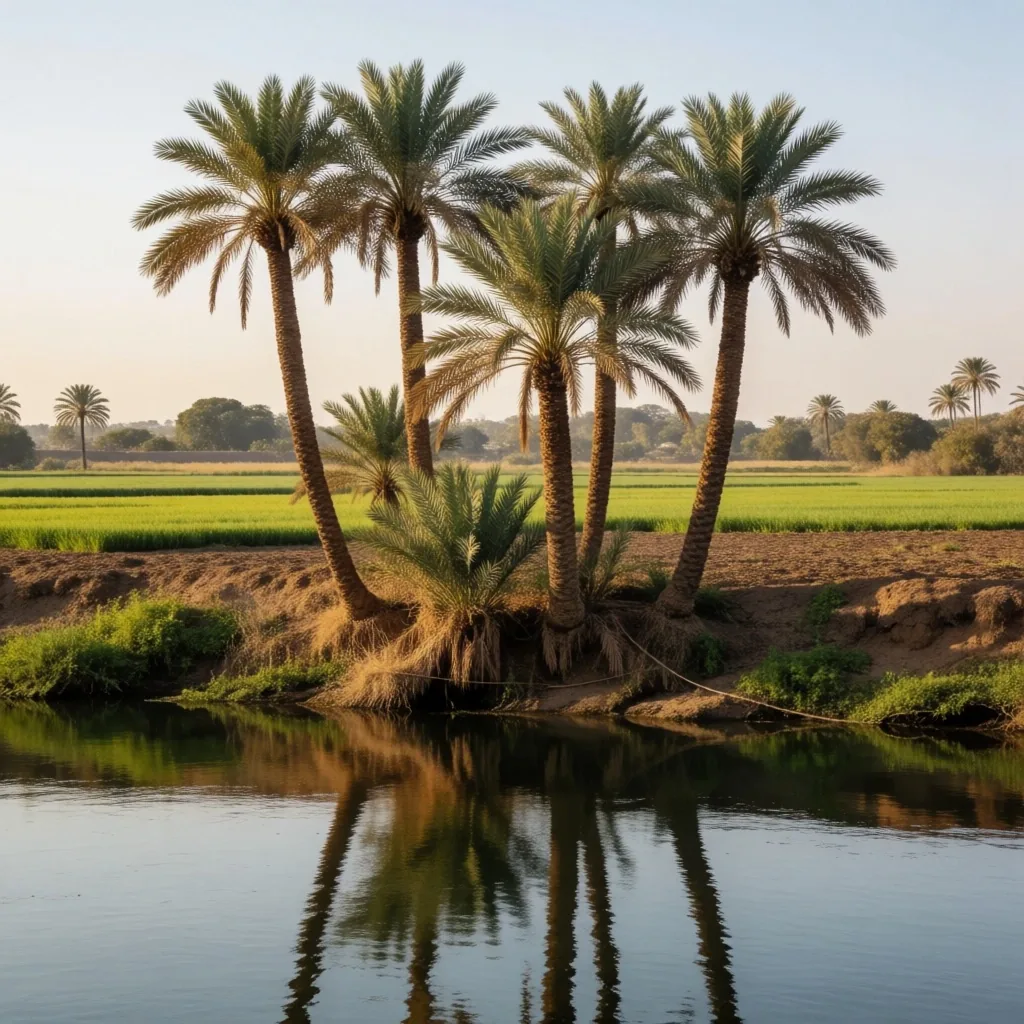
The presence of local flora, such as the ubiquitous palms that line the riverbanks and coastal resorts, provides more than just a visual backdrop; these trees are indicators of water sources and traditional agricultural zones. Observing the natural landscape offers insights into how the region has sustained itself for millennia.
We provide descriptions of the ecological zones you will encounter, from the fertile delta to the edges of the western dunes. The delta supports a dense canopy of vegetation — palms, citrus groves, and row crops — fed by the slow-moving branches of the river. This greenery thins as you move south, giving way to narrow strips of cultivated land pressed between the desert and the water.
Where palms grow in rows, you are looking at land that has been irrigated and worked for generations. Where they appear scattered and wild, you are closer to the natural floodplain. Recognizing this difference helps you read the landscape as a record of human settlement and natural water flow, which adds a layer of understanding to what might otherwise look like ordinary scenery from a train window or a roadside stop.
Documenting Your Journey
Keeping a record of your observations requires a different mindset than just passing through. We suggest methods for documenting your experiences through photography and journaling while respecting the privacy of local residents.
Understanding where photography is welcomed and where it is restricted by general custom is a key component of our egypt travelling guides. In some residential areas and near certain government buildings, photography may draw concern or objection. When in doubt, ask before raising a camera. A notebook, by contrast, draws no objection and often opens conversation.
We recommend carrying a small waterproof notebook for field notes and a separate method for organizing photos by region and day. The value of a travel record increases with consistency: even a one-line entry per location, noting the time of day and a single observation, creates a reference you will return to long after the trip ends.
Communication and Language Basics
While many residents in major hubs speak multiple languages, knowing basic Arabic greetings and numerical signs is highly beneficial. It shows a level of respect for the local culture and assists in simple interactions in residential markets or transit hubs.
We offer phonetic guides to common phrases that facilitate basic human connection and navigation without requiring professional translation services. A handful of greetings, polite refusals, and numbers from one to ten will cover most informal exchanges. Shopkeepers and drivers appreciate the effort even when your pronunciation is imperfect.
Numerical signs deserve specific attention. Arabic numerals use different glyphs than the Western digits most travellers are familiar with, and prices, bus routes, and timetables often display them in the local form. Learning to recognize the digits from one to ten removes a surprising amount of friction from daily tasks like checking a fare or confirming a departure platform.
Food and Water Safety Standards
Maintaining health while exploring new regions is a priority for every traveller into Egypt. General advice centers on consuming bottled water and choosing food that has been prepared at high temperatures. We discuss the types of regional produce often found in local markets, focusing on how to select items that are safe for those unaccustomed to the local microflora.
Tap water in most areas is treated but may carry organisms your digestive system is not adapted to. Sealed bottled water is widely available and inexpensive. Use it for drinking, brushing teeth, and rinsing fruit. Avoid ice in drinks unless you are confident of its source, as freezing does not kill all organisms and the water used may be untreated.
For food, the safest options are those cooked to order and served hot. Grilled meats, stews, and freshly baked bread from busy establishments tend to be reliable choices — high turnover means ingredients are fresh, and heat kills most pathogens. Raw salads, peeled fruit from street vendors, and dishes that have sat at room temperature for extended periods carry higher risk. The goal is not to avoid local food but to choose it with the same common sense you would apply anywhere unfamiliar.
Quick Safety Checklist
- Drink only sealed bottled water; use it for brushing teeth
- Choose food cooked to order and served steaming hot
- Avoid raw salads and unpeeled fruit from street vendors
- Decline ice unless you know its water source
- Peel your own fruit; wash hands before eating
- Favor busy establishments with high ingredient turnover
Identifying Authentic Experiences
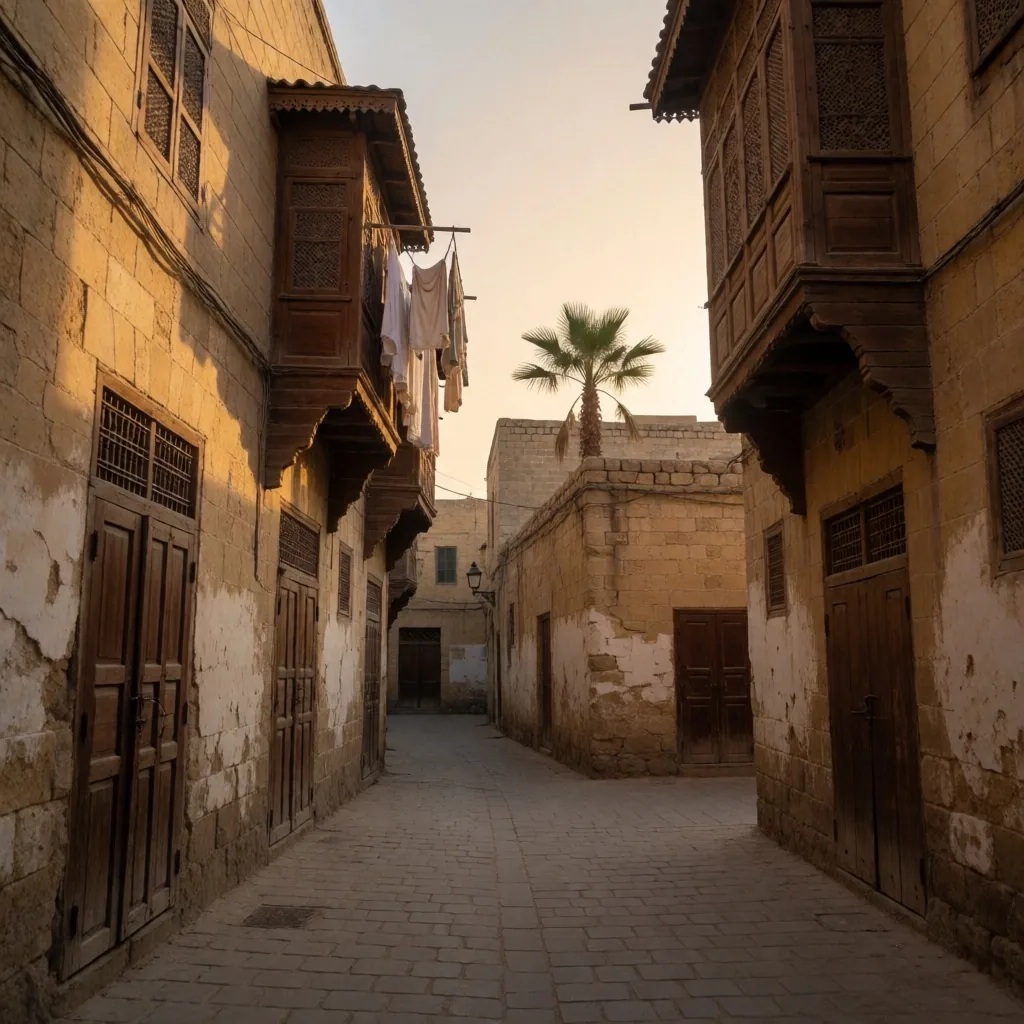
The most memorable parts of a trip often happen outside of typical commercial corridors. By focusing on the architecture of residential neighborhoods or the daily rhythm of the river, you can gain a deeper understanding of the local way of life. Our guides encourage looking for these subtle details rather than following high-traffic paths designed for mass groups.
Authentic observation is a slow practice. It means sitting in a waterfront café long enough for the rhythm of the place to reveal itself — the calls of vendors, the pattern of boats on the water, the shift in light as the afternoon moves toward evening. These rhythms tell you more about a place than any curated itinerary can.
Cultural Immersion through Observation
Observation is a skill that improves with practice. By spending time in public spaces like parks or waterfront promenades, you can learn a great deal about social dynamics and community structure. This passive form of learning is often more valuable than structured tours for those seeking a genuine perspective on the region.
The key is patience. Arrive at a public space, find a seat or a wall to lean against, and stay. Watch how families move together, how vendors set up their goods, how the street fills and empties with the call to prayer. None of this costs anything or requires a guide, and it is often the part of the trip that stays with a traveller into Egypt the longest.
Preparing for the Unexpected
Travel involves variables that cannot always be predicted, from sudden sandstorms to local holidays that may close public facilities. Building flexibility into your schedule is the best way to handle these shifts. We provide a framework for creating a secondary plan that accounts for environmental changes or shifts in regional accessibility.
Sandstorms can reduce visibility to near zero for hours at a time, particularly in the spring. They arrive with little warning and can close roads and disrupt transit. If you are traveling during the season when they are most common, build buffer days into your itinerary and keep a scarf or mask accessible for filtering dust.
Local holidays follow both the standard calendar and the lunar religious calendar, which shifts each year. On these days, government offices, some transit options, and many shops may close or operate on reduced hours. Checking the holiday calendar for your travel period before departure prevents surprises and gives you time to adjust your plans for those specific days.
Information Accuracy and Independence
These egypt travelling guides are curated to remain free from commercial bias. We do not participate in the promotion of specific venues or services, ensuring that the data provided remains objective. This independence allows us to focus strictly on the needs of the individual traveler who prioritizes factual preparation over marketing narratives.
Our editorial process prioritizes information that a traveller can verify independently. When we describe transit patterns, climate conditions, or cultural norms, we draw on direct observation and standard reference material rather than promotional copy from any service provider. If a recommendation appears in these guides, it is because the practice itself is useful — not because any party has paid for placement.
We update our travel guides as conditions change. If a transit route shifts, a seasonal pattern varies from the norm, or a cultural custom evolves, we revise the relevant section. The goal is a living reference that a traveller into Egypt can trust at the moment of departure, not a static page written years before the trip.
Final Preparation Checklist
Before departing, a final review of logistical details is necessary. This includes confirming your understanding of local transit, verifying your packing list against the current forecast, and ensuring you have a digital or physical copy of essential regional maps. A well-prepared traveler is one who can focus on the experience rather than the logistics once they arrive.
- 01 Confirm transit routes between each planned stop, including approximate travel times and the days services run
- 02 Cross-reference your packing list against the current regional forecast for each destination and season
- 03 Carry a physical copy of key regional maps in case digital services are unavailable
- 04 Note the local holiday calendar for your travel dates and identify which facilities may close
- 05 Keep a list of basic Arabic greetings and numerals one through ten for daily interactions
- 06 Pack a scarf or mask for dust conditions and sun protection during midday hours
- 07 Verify your water and food strategy: plan for sealed bottled water and freshly cooked meals
- 08 Build at least one buffer day into your itinerary for unexpected weather or transit delays
Editorial Office
35 B Abou El Feda, Mohammed Mazhar
Zamalek, Cairo Governorate 11211
Egypt
Contact
+20227378955
[email protected]
Mon–Fri: 9:00–18:00