
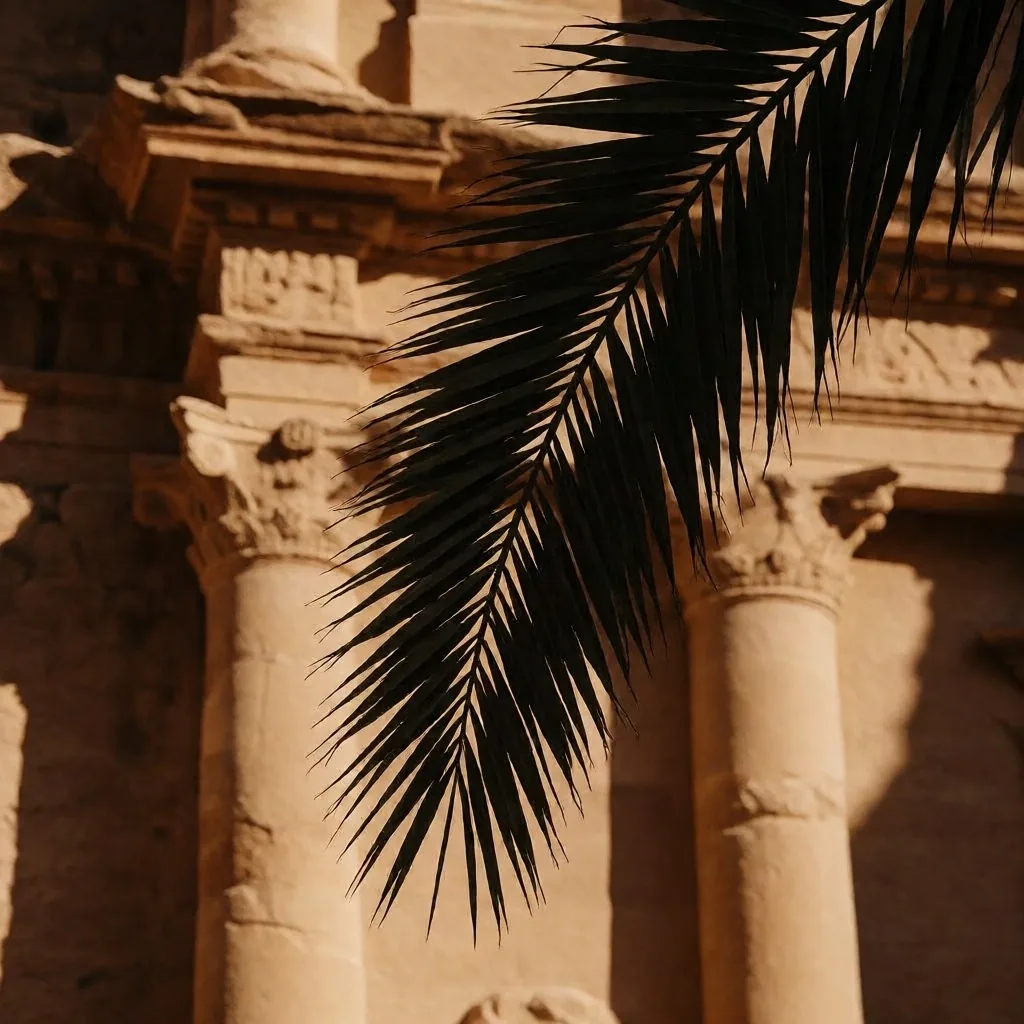
Cultural Etiquette & Social Norms
Respecting local traditions is the most effective way for a traveller into Egypt to ensure a positive and harmonious experience. The social fabric of the region is built on a foundation of hospitality and long-standing customs. Understanding these nuances helps you navigate social interactions with grace and avoids unintentional disrespect.
Modesty Standards & Greetings
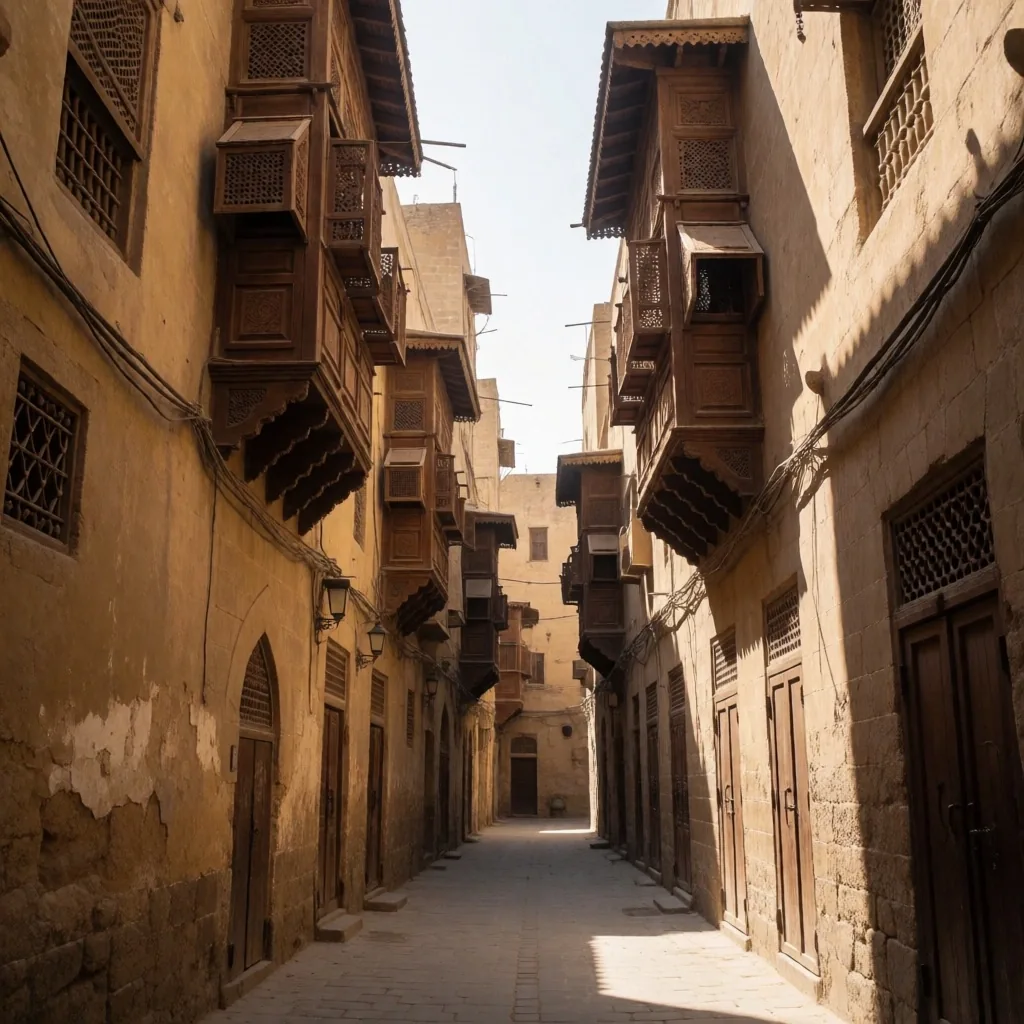
Understanding Modesty Standards
Public dress codes are generally more conservative than in Western Europe or North America. Both men and women should aim to cover their shoulders and knees when in public spaces, particularly when visiting residential areas or traditional markets. This is not just a matter of tradition but a sign of respect for the local community's values.
Lightweight, loose-fitting linen or cotton garments serve double duty here: they keep you cool in dry heat while meeting the expected level of coverage. A scarf or light shawl is a practical companion — useful for covering shoulders when entering a place of worship or stepping into a more traditional district.
Social Greetings and Interaction
Interactions often begin with a formal greeting. A simple "Salam" is widely recognized and appreciated. It is common for social interactions to be unhurried; rushing through a conversation or a transaction can be perceived as rude. Patience is a highly valued trait in all forms of local communication.
When meeting someone for the first time, a handshake is common between people of the same gender. Wait for a local woman to extend her hand first before offering yours; many prefer to place a hand over the heart as a greeting instead. This small act of reading the room goes a long way.
Tipping & Photography
The Concept of Tipping
Small gratuities, locally known as baksheesh, are a standard part of the social economy. It is common to offer a small amount for minor services, such as someone holding a door or assisting with directions.
Keeping a supply of small-denomination local currency allows you to participate in this custom naturally without awkwardness. Think of it less as a payment and more as a social gesture — a way of acknowledging someone's effort.
Respectful Photography
Always ask for permission before taking a photo of a person. Many residents are happy to be photographed if asked politely, but others may prefer privacy for religious or personal reasons.
Additionally, be aware that certain government or infrastructure buildings may have restrictions on photography for security purposes. A simple gesture toward your camera with a questioning look is usually enough to get a clear yes or no.
Practical Guidance
Carry small notes separately from your main wallet so that offering baksheesh feels casual rather than theatrical. A folded note in a pocket is easier to produce discreetly.
For photography, a smile and a polite request in any language usually opens doors. If someone declines, thank them warmly and move on — the respect you show matters more than the photo you did not get.
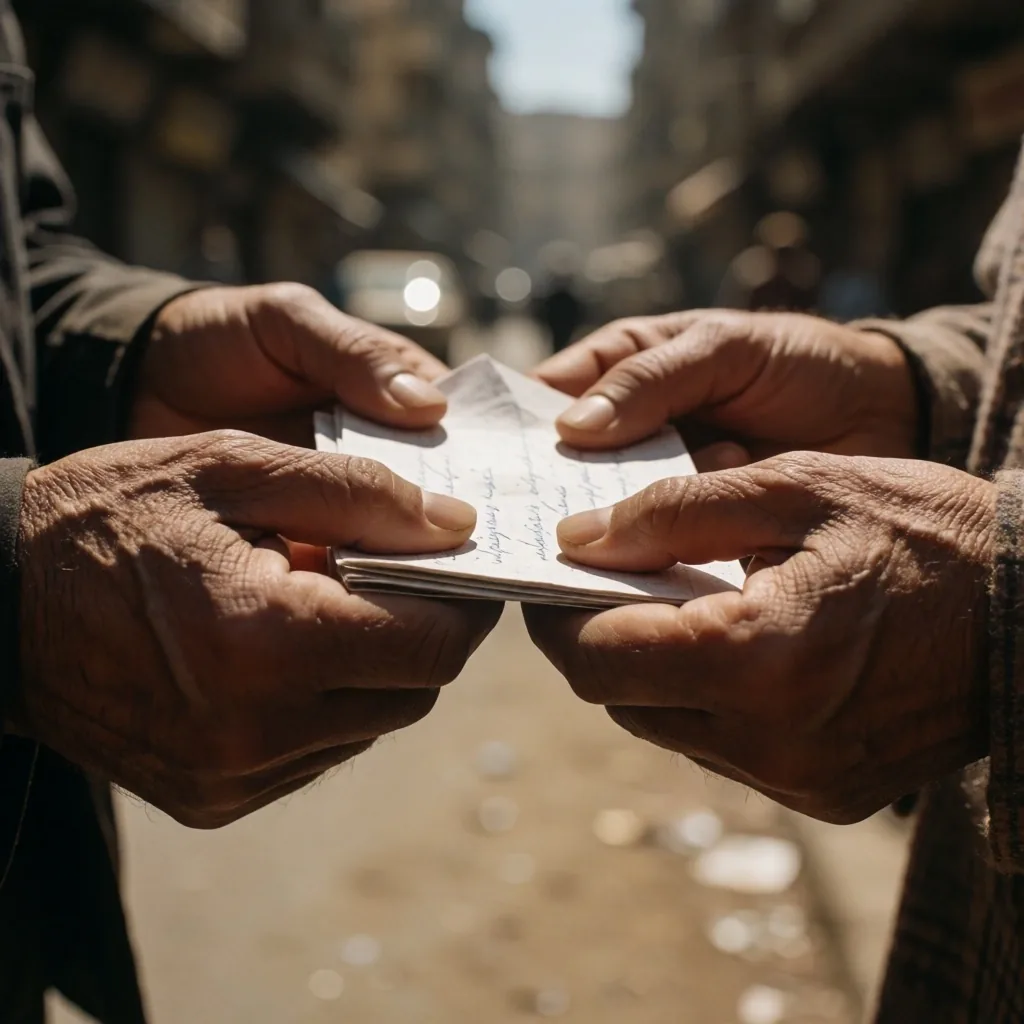
Sacred Spaces & the Table
Navigating Religious Spaces
When entering a place of worship, it is customary to remove your shoes and ensure you are dressed modestly. Silence should be maintained to respect those who are there for reflection. Being mindful of prayer times, which occur five times a day, can also help you understand the daily rhythm of the city.
You will notice that daily life pauses briefly when the call to prayer sounds. Shops may quiet, conversations may still, and people may step aside. You are not expected to pray, but lowering your voice and moving quietly during these minutes is noticed and appreciated.
Dining and Food Customs
If you are invited to share a meal, it is customary to use your right hand for eating, as the left hand is traditionally reserved for hygiene. Accepting a second helping or a glass of tea is often seen as a compliment to the host's hospitality. It is polite to express gratitude for the meal, even in the simplest of settings.
Tea is more than a drink here — it is a measure of welcome. Accepting at least one glass signals that you value the company. Leaving immediately after eating can feel abrupt; lingering for conversation afterward is part of the ritual.
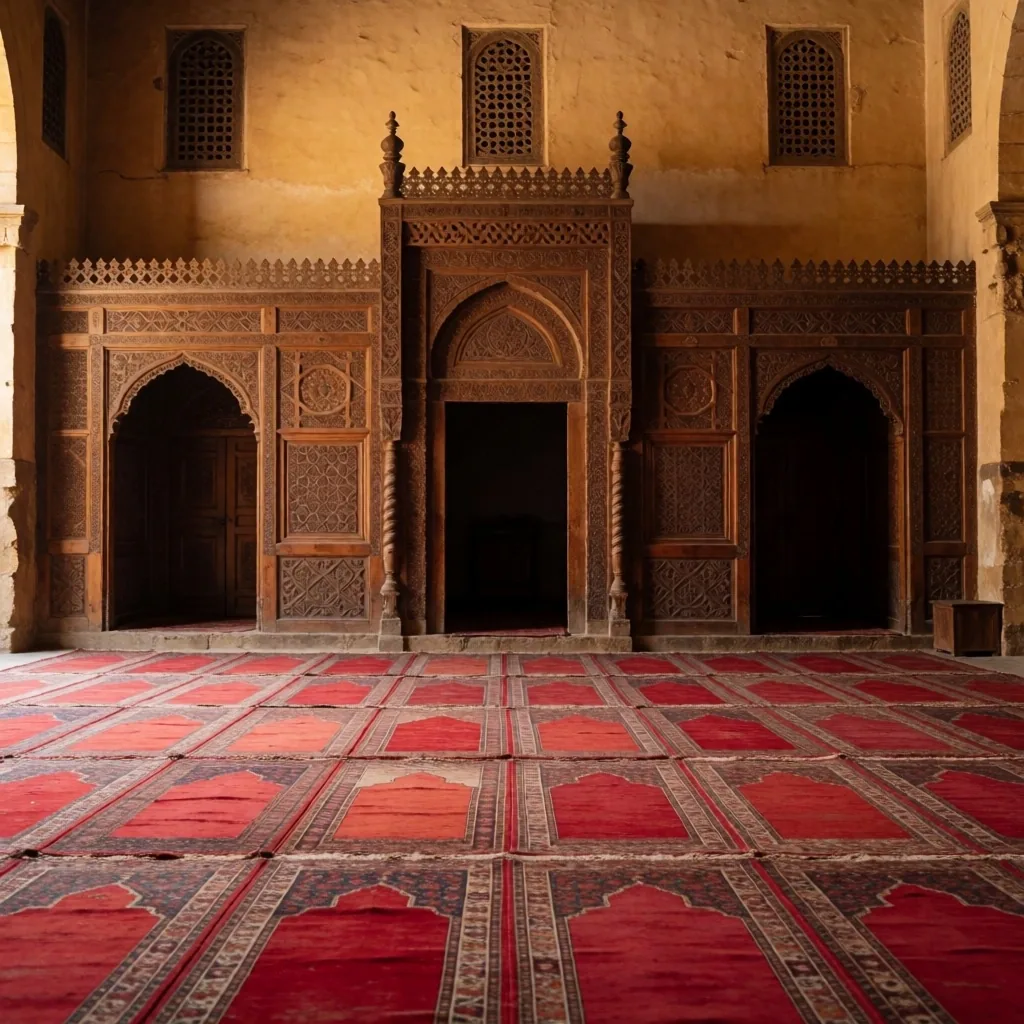
Markets, Affection & Public Decorum
Market Interaction Styles
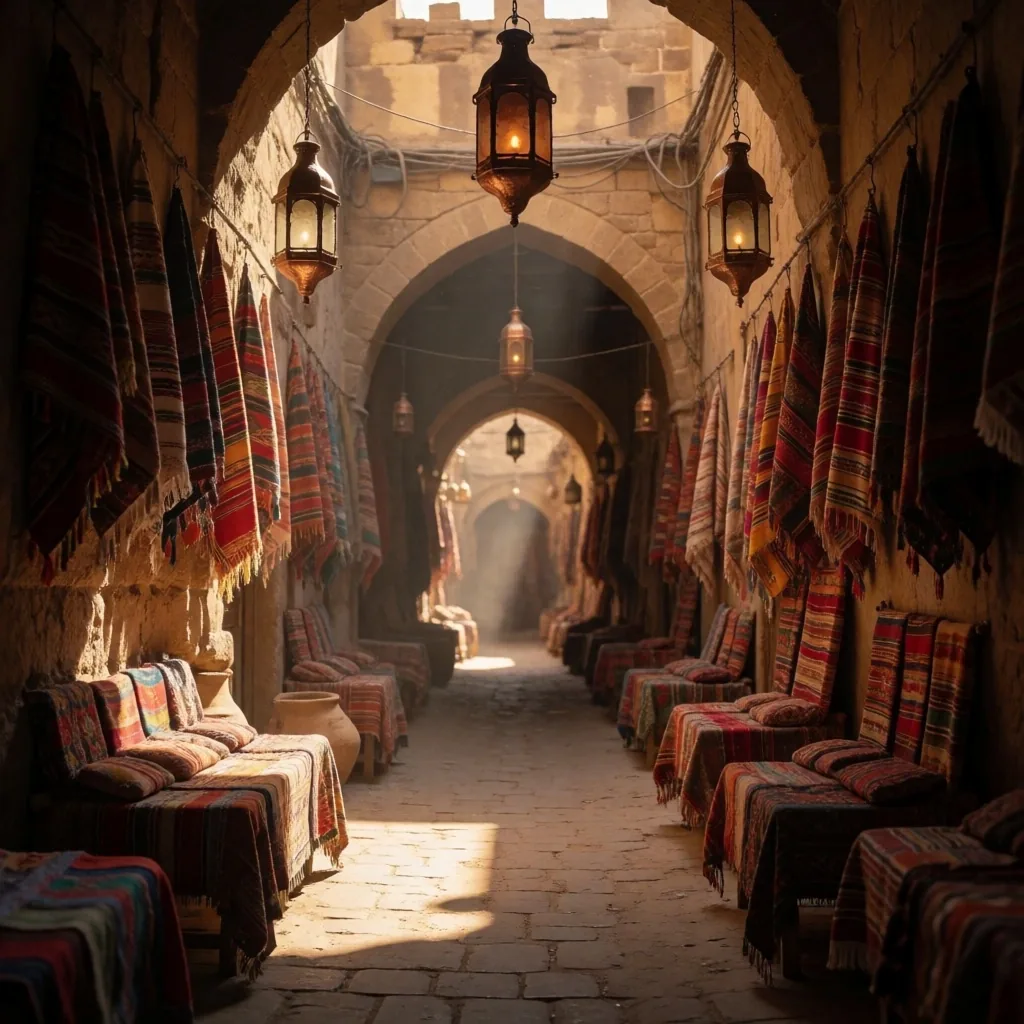
Traditional markets are social hubs where interaction is expected. While price discussions are common in some contexts, they should always be conducted with a smile and a sense of lightheartedness. Remember that these interactions are a form of social engagement, not just a financial transaction.
A good-natured back-and-forth over an item is part of the experience. If you are not interested, a polite "no, thank you" with eye contact and a smile is enough. Walking away without a word can read as dismissive in a culture where every exchange carries social weight.
Practical Note Many egypt travelling guides recommend visiting markets in the early morning or late afternoon. The pace is slower, the light is softer, and the social rhythm matches the temperature.
Public Displays of Affection
Public displays of affection are generally discouraged and can be seen as inappropriate in many parts of the country. This applies to all couples and is a standard part of the public decorum. Maintaining a degree of formality in public spaces helps ensure you are viewed as a respectful guest.
Holding hands is generally fine; more demonstrative gestures are not. When in doubt, look around and follow the lead of the people around you. Public behavior here tends toward the reserved, and blending in is both easy and welcome.
Continue Reading
More guides for the traveller into Egypt
Egypt Discovery Guides
Independent travel guides and cultural education for the thoughtful traveller into Egypt. Our editorial team is based in Zamalek, Cairo.
35 B Abou El Feda, Mohammed Mazhar
Zamalek, Cairo Governorate 11211
Egypt
+20227378955
Egypt