
Essential Packing List for the Region
Packing for a trip to this part of the world requires a balance between sun protection and cultural sensitivity. The intense UV index and the varied terrain mean that your luggage must be functional above all else. This guide provides a detailed breakdown of the items every traveller into Egypt should consider to ensure comfort and safety throughout their stay.
Build your kit around heat, dust, and long days on foot.
The regional climate rewards preparation. Luggage that works in northern Europe or coastal North America often falls short here, where the air is dry, the midday sun is direct, and a single outing can span several microclimates.
Arid & Sun-Intense
Dry heat with very low humidity most of the year. UV exposure is significantly stronger than at northern latitudes, and surfaces like sand and stone reflect light upward into your face and eyes.
Mixed Underfoot
A single excursion may put you on hot pavement, loose sand, and uneven stone paths within the same afternoon. Footwear and bag choice must hold up across all three without needing a midday change.
Modest Dress
Local standards favor covered shoulders and knees, especially outside tourist zones. Packing with this in mind removes the daily decision of what is appropriate and lets you focus on the day itself.
Clothing for Arid Climates
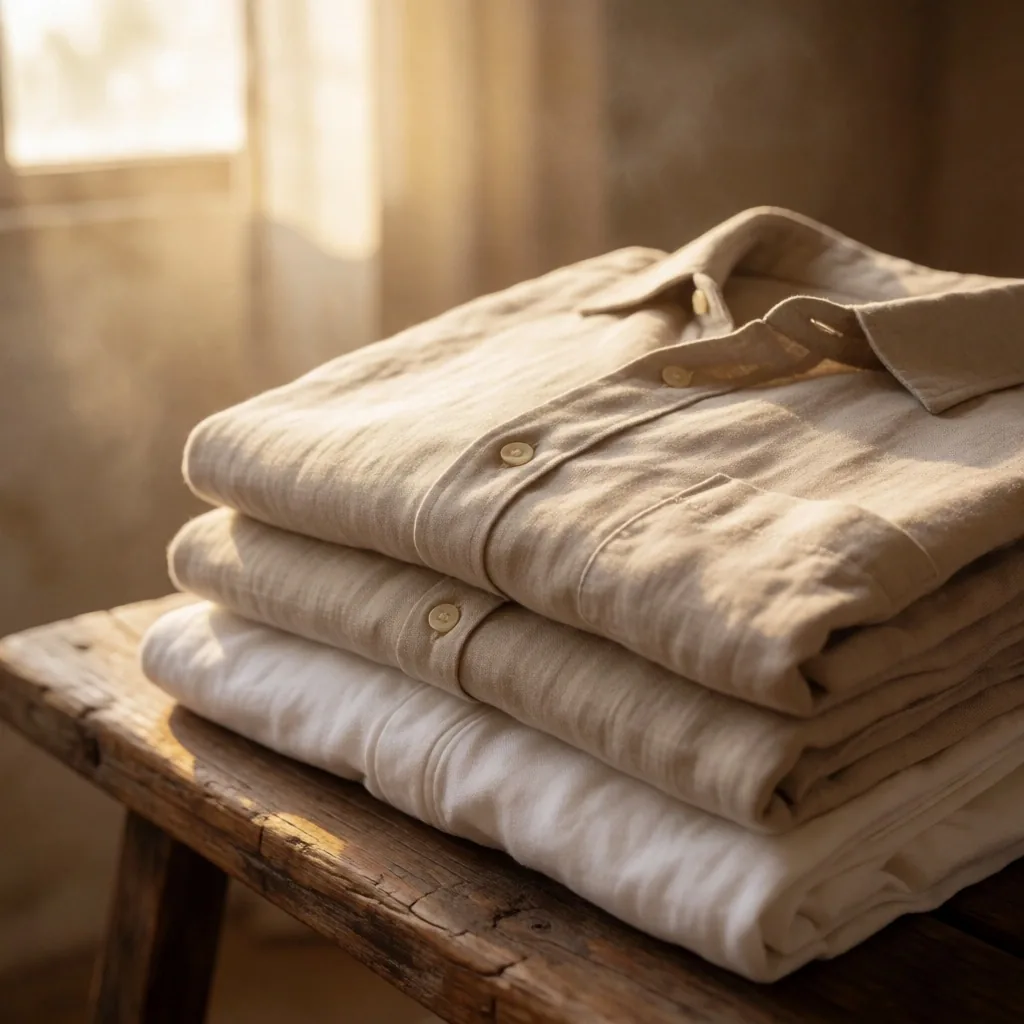
Natural fibers like linen and cotton are superior to synthetics in the heat because they allow for better airflow. Long-sleeved shirts and full-length trousers provide a physical barrier against the sun and align with local standards of modest dress.
We recommend light colors to reflect heat, though darker colors may be more practical for minimizing the appearance of dust from the desert environment. A loose fit matters as much as the fabric: air trapped between cloth and skin cools as it circulates, while tight synthetics trap heat and moisture against the body.
Pack enough to rotate daily. Washing by hand is straightforward in most accommodations, and overnight drying is reliable in the dry air. This keeps your bag lighter than carrying a fresh outfit for every day of the trip.
Linen and cotton breathe. Synthetics trap heat. If a garment feels warm in a temperate room, it will feel worse in direct sun.
Light shades reflect heat; darker ones hide dust. Choose by the balance between comfort and practical upkeep.
Footwear for Diverse Terrains
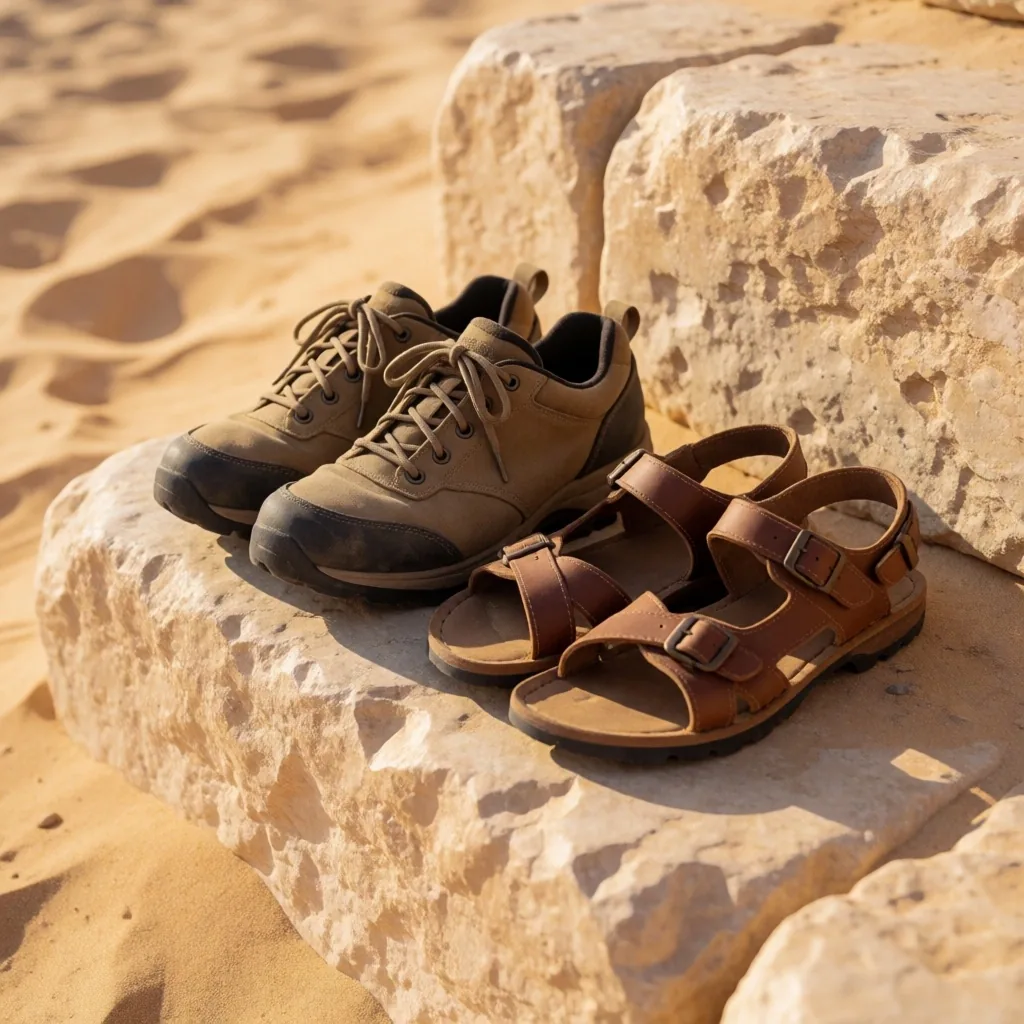
A typical day may involve walking on hot pavement, loose sand, and uneven stone paths. Sturdy, closed-toe walking shoes are essential for long explorations, while breathable sandals are appropriate for coastal areas or evening rest periods.
Ensure all footwear is broken in before your arrival to avoid blisters during extensive walking sessions. New shoes that feel fine in a shop can become a serious problem after the third hour on irregular ground, when the nearest alternative may be a long walk away.
Sand and fine dust work their way into every opening. Closed shoes that lace up tight keep most of it out; loose sandals let it in but are easier to rinse. Many travellers carry both and switch by terrain.
Sun Protection and Skin Care
The sun is significantly stronger here than in northern latitudes. A wide-brimmed hat that covers the neck and high-SPF sunscreen are non-negotiable items.
We also suggest carrying a high-quality pair of polarized sunglasses to reduce the glare from the sand and the water, which can cause significant eye strain over the course of a day.
Reapply sunscreen every two hours when outdoors, and more often if you are perspiring heavily. The dry air can mask how much you are sweating, so set a timer rather than relying on how you feel. A small tube in your day bag is more useful than a large bottle left at your accommodation.
Lip balm with SPF is easy to overlook but matters in this climate. The wind in open areas, combined with low humidity, dries skin quickly and without warning.
Wide brim all around. A baseball cap leaves the neck and ears fully exposed to direct sun for hours on end.
High-SPF, applied early and reapplied through the day. Pack more than you think you will need.
Polarized lenses cut the reflected glare from sand and water. A strap keeps them secure in open vehicles.
Health, Hygiene & Connectivity
Health and Hygiene Supplies
While local pharmacies are well-stocked, carrying a personal kit of basic supplies is recommended for convenience. This should include rehydration salts, basic digestive aids, and antiseptic wipes.
Having these items on hand allows you to address minor issues immediately without searching for a local shop in an unfamiliar neighborhood. Add any personal prescription medications in their original packaging, along with a simple copy of the prescription.
Tech and Connectivity Gear
Power outlets in the region typically use the European-style two-pin plug. A universal adapter is a wise inclusion in your kit, along with a portable power bank for long transit days.
Because of the heat, it is also important to have protective cases for electronics to prevent overheating or damage from fine dust particles. Keep devices shaded when not in use, and avoid leaving them on surfaces in direct sun.
Secure Document Management
Keeping your identification and travel documents safe is a priority. We recommend using a waterproof neck pouch or a hidden waist belt rather than a standard backpack for these items.
Keeping digital copies on a secure cloud server provides an extra layer of security in case the physical documents are misplaced. Photograph both sides of every important card and store them where you can retrieve them from any device.
Separate your physical documents into two groups: the set you carry during the day and the backup set that stays in your accommodation. If one is lost or stolen, the other keeps your trip moving while you sort out replacements.
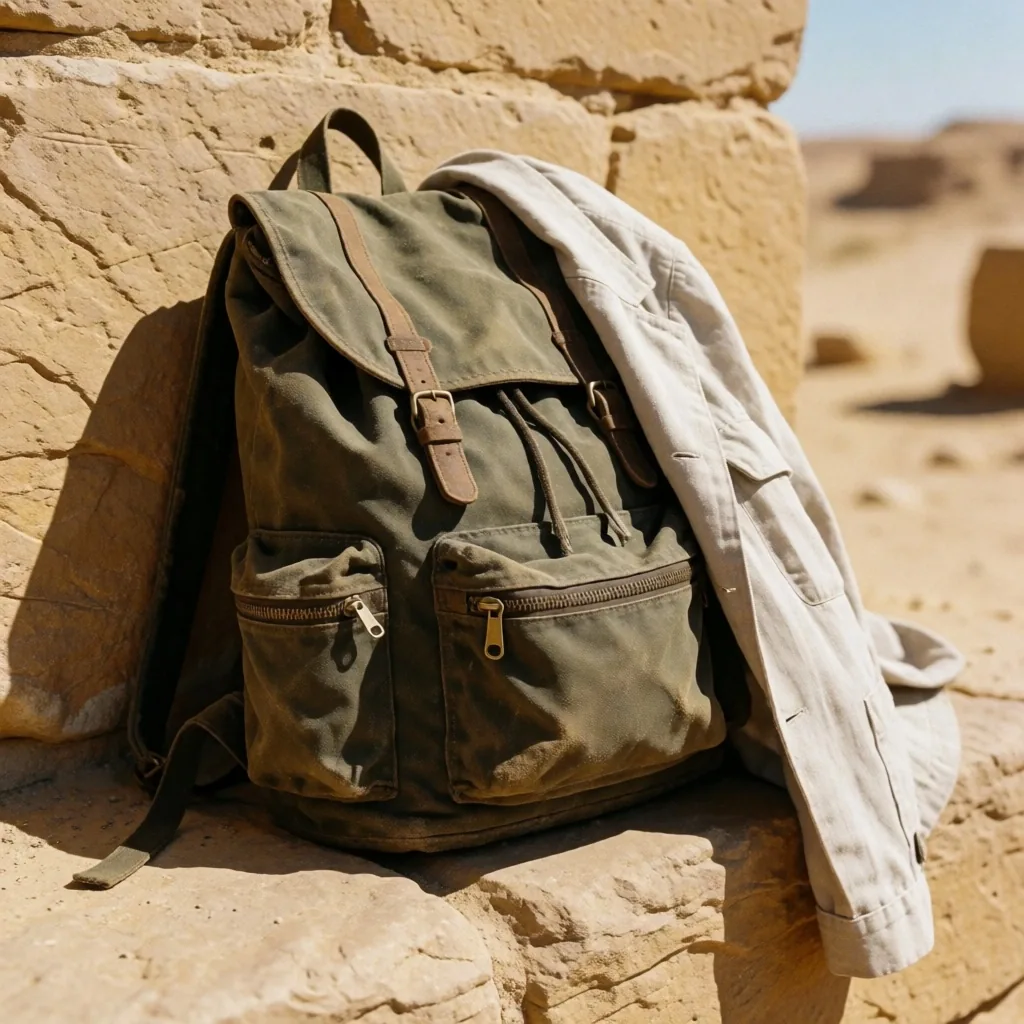
Day Bag & Versatile Outerwear
Day Bag Requirements
A lightweight, secure day bag is necessary for carrying water, snacks, and extra layers. Choose a bag with sturdy zippers and perhaps a locking mechanism to discourage opportunistic theft in crowded transit hubs.
Ensure the bag is comfortable to wear for several hours at a time, as you will likely be carrying it throughout the day.
Versatile Outerwear
While days are hot, desert nights and coastal breezes can be surprisingly cool, especially between November and March. A light jacket or a versatile wrap can provide necessary warmth during evening walks or on air-conditioned trains.
This single layer can also serve as an extra cushion during long journeys.
Pair this packing list with the regional climate guide for timing-specific advice.
Temperature ranges shift through the year. The weather zones guide explains what to expect by season and region, so your kit matches the conditions on the ground.
About Our Editorial
Independent, non-commercial travel guides written for clarity and local accuracy.
Read our standardsTravel Safety & Health
Practical health, hygiene, and situational guidance for travelling through the region.
Open the guideQuestions About Preparation
Reach the editorial team for clarification on any item in this list.
Contact the teamIndependent travel guides for the traveller into Egypt. Non-commercial, informational, and grounded in local conditions.
35 B Abou El Feda, Mohammed Mazhar, Zamalek, Cairo Governorate 11211, Egypt
+20227378955 · [email protected]